29 October 2009

Saudi Attempts to Diminish Swine Flu Spread Before Hajj


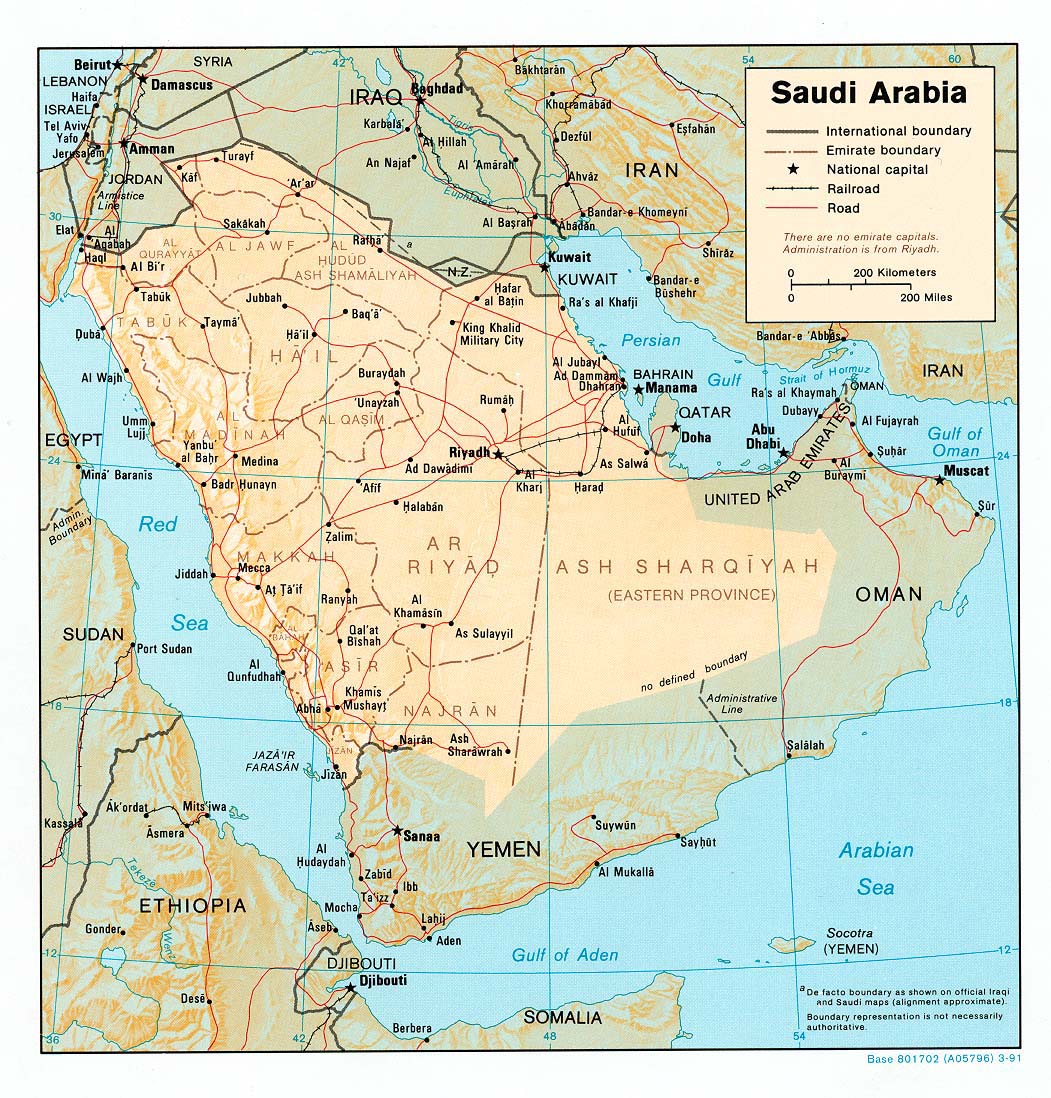
The annual pilgrimage, the hajj, to Mecca is the largest gathering of the planet, bringing 2.5 million people from 160 countries. Such gathering is welcoming for an outbreak since the pilgrims are compacted in the small city of Saudi Arabia for five days. Their holy city could turn into a "petri dish for viral mutations," thus spreading a new pandemic around the world. Saudi authorities have already asked pregnant women, elderly, and diseased not to attend the hajj.
Dr. Ziad A. Memish, Islam's assistant deputy minister for preventive medicine, stated that they will allow all those who enter the country but are recommending the rest of the countries whom should be allowed.
Health authorities recommended pilgrims to frequently wash their hands, bring their own surgical masks and hand sanitizers. In addition, Saudi government has stocked Tamiflu, staffed 76 health facilities, expanded intensive-care units, and will not charge pilgrims for expenses on health problems they may have during the visit.
Though it may be impossible to prevent the flu from spreading among pilgrims, authorities are doing what they can to lessen the probability by keeping the vulnerable from attending the hajj.


(Reliability: 9)

Comment: Previous outbreaks include the meningitis in Mecca in 1987. Muslim pilgrims spread polio from northern Nigeria across Africa to Saudi Arabia and from there to Yemen and Indonesia in 2004. Catholics gathered in July 2008 from all over the world for World Youth Day, broke an Tamiflu
resistant strain of seasonal flu outbreak to the Northern Hemisphere and the United States last winter.

22 October 2009

Risk of Swine Flu in Cairo's schools


CAIRO- Egyptian ministries of health and education have reduced half of the children in classrooms to lessen the spread of swine flu.  Students are obligated to attend school only three days of the week instead of the regular six days. 
For example, Toga Ali, a 13 year old student at Abdullah Ibn Rawaha School in the Imbata area of Cairo, attends on the second shift which consists of Sunday, Tuesday, and Thursday. Her classroom was reduced to 25 students from 80, many which stay home in fear of getting infected. Children wear surgical masks during playtime and classrooms are more ventilated by having the windows open and fans. 

The United Nations Children's Fund (UNICEF) and the Health Ministry are rising awareness through a campaign and TV advertisements.  They are also distributing awareness kits to all schools in Egypt.


(Reliability:9)

WHO School Guidelines


CAIRO- The
World Health Organization (WHO) states that schools may serve as a contributor to the spread of the swine flu. WHO recommends "hand hygiene, respiratory etiquette, proper cleaning, good ventilation, isolation of staff or students" to reduce infection. However, specific recommendation for closure of schools cannot not be made due to the complexity of the situation. Yet, timing of schools' closure are critical. The greatest benefits will be obtained if schools are closed early before one percent of the population are diseased.
Rana Zaqout, head of the Pandemic Influenza Contigency (PIC) unit for the Middle East and North Africa, states that there are many discrepancies about closing schools to prevent an outbreak because taking such action may impact Egypt socially and economically. Closure of schools may reduce the spread, but policies should limit congregation of students outside schools.
Education Minister Youssri el-Gamal says they might not close schools for the winter season


(Reliability: 9)

Comment: Pandemic Influenza Contigency (PIC) unit for the Middle East and North Africa is part of the UN Office for the Coordination of Humanitarian Affairs (OCHOA).

21 October 2009

Egypt will Vaccinate Hajj Pilgrims


CAIRO- Health Minister Hatem al-Gabali reported Egypt plans to vaccinate citizens that will be attending the hajj pilgrimage to Mecca in Saudi Arabia. The vaccination for H1N1 will be available on October 23, 2009. Gabali declares pilgrims will be "vaccinated according to instructions and conditions of the Saudi health ministry." Three million people are expected at the annual hajjto Mecca in late November, therefore, Saudi Arabia required attendant to be vaccinated against H1N1 and H1N5.


(Reliability:8)

16 October 2009

Decrease in Cairo Garbage Collection


CAIRO- Trash piles in the streets of Cairo have been augmenting and civilians’ concerns as well. The Egyptian government decided to slaughter all pigs residing in the country last month to combat H1N1 virus, even though the World Health Organization opposed this decision. The “zabaleen” would collect the organic waste, which was fed to their pigs. Having no more pigs is resulting in a more crowded, noisy, and smellier Cairo where more diseases are likely to develop.
Dana Moussa created an event on Facebook called “Clean up Giza” in which 350 members joined to collect trash from neighborhoods. Giza is the huge section of greater Cairo extending out to the pyramids.


(Reliability: 8)

15 October 2009

First Egyptian School Closure


CAIRO- The College of the Mother of God, a Christian school in Cairo, will close for two weeks after health and education ministries reported finding three people with the swine flu on campus. Egypt announced its closure on October 13, 2009. This is the first school they close in its entire due to the infection from H1N1 virus.


Comment: Egypt postponed first day of schools and universities for Egyptian schools from mid-September till October 3 to prevent outbreaks. However, the number of cases in the country increases to 1,053 swine flue infections, including three deaths.

12 October 2009

Cairo Schools Close in Egypt


CAIRO- Egypt decided to close down two universities and two schools in Cairo, and lessons were out on televisions to help students continue with their education. Health Ministry reported that Ain Shams University closed two Cairo boys and girls school suburbs, as well as language and arts faculties for two weeks. In American University in Cairo closed a classroom after a student was tested positive for H1N1. The school population is 17 million and from those, 1,000 reported to have swine flu since the first report in June 2009.
The Health Ministry stated that Egypt will obtain 5 million doses of swine flu vaccinations over the next six months. About 80,000 vaccines will be delivered by the end of October, 1.2 million by January, and the rest by March. This amount will cover about 6% of Egypt’s 80 million populations, however development for more vaccines are currently at work.


(Reliability: 7)